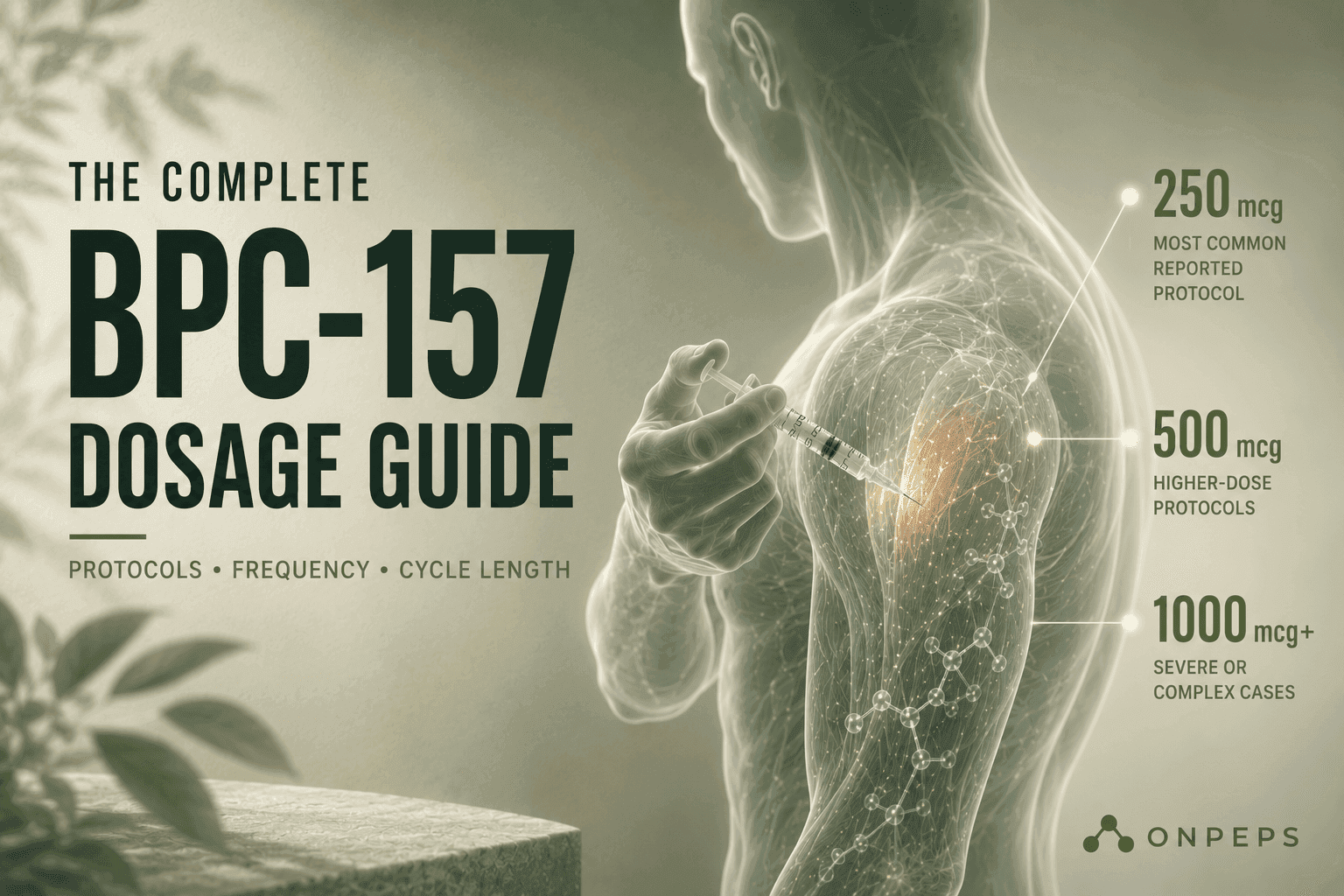
bpc 157 dose timing The Complete BPC-157 Dosage Guide: Protocols, Frequency, and Cycle Length · ONPEPS RGroup_nad Can Water Go Bad Color:Mission Red
Can Water Go Bad and Make You Sick
How It Is Studied In laboratory research, AOD-9604 is typically administered to cell cultures or animal models and assessed using lipolysis assays, which measure free fatty acid release from adipocytes
RGroup_nad
Color:Mission Red
BPC-157: The Angiogenic Healer BPC-157's healing effects center on blood vessel formation and cytoprotection: VEGF Upregulation: Increases vascular endothelial growth factor, promoting new blood vessel formation to injured tissues (PMID: 27847966, PMID: 40789979) Nitric Oxide System: Modulates NO pathways, protecting tissues from oxidative damage and improving blood flow (PMID: 31158953) Growth Factor Pathways: Interacts with and functionally engages growth-factor–dependent cytoprotective and regenerative pathways, producing growth-factor–like effects (PMID: 11718984, PMID: 40789979) Cytoprotective: Protects cells from various toxic insults including NSAIDs, alcohol, and ischemia (PMID: 31158953) Nerve Healing: BPC-157 indirectly modulates GABAergic inhibitory control, supporting nerve regeneration (PMID: 15840402) TB-500: The Cell Migration Facilitator TB-500 is a synthetic peptide designed to mimic Thymosin β-4, which is well-established in actin sequestration, cell migration, wound repair, and anti-inflammatory signaling